The Ultimate Guide to Battery Charger For 12V Lead Acid Batteries in the UK
If you need a battery charger for 12v lead acid batteries, choose a smart charger designed for 12V flooded, AGM or gel batteries, with automatic multi-stage charging and a maintenance mode. In most UK cars and vans, this is the safest and most effective way to recharge a flat or underused battery without overcharging it.
TL;DR: A smart 12V lead-acid battery charger is usually the best choice for UK motorists because it charges safely, helps reduce sulphation, and can maintain the battery during cold weather or long periods off the road. Based on our testing of common charger types, automatic chargers are generally easier and safer to use than basic trickle chargers for everyday vehicle maintenance.
According to the RAC, battery failures account for over 400,000 breakdown call-outs every winter in the UK. In addition, a sudden drop in temperature can strip a standard car battery of up to 35% of its starting power, leaving motorists stranded on icy driveways. For mechanics and everyday drivers alike, understanding how to properly maintain automotive power systems is essential. At the heart of this maintenance is selecting and using the correct battery charger for 12v lead acid batteries.
Drawing on practical automotive electrical experience, this guide explains how lead-acid charging works, which charger type suits your battery, and how to keep your vehicle ready for UK conditions all year round.
What should you know before buying a battery charger for 12V lead acid batteries?
- A dedicated battery charger for 12V lead acid batteries helps prevent sulphation and can extend battery life.
- Smart chargers use multi-stage charging to monitor, recharge and maintain the battery safely.
- Flooded, AGM and gel lead-acid batteries can have different charging requirements, so compatibility matters.
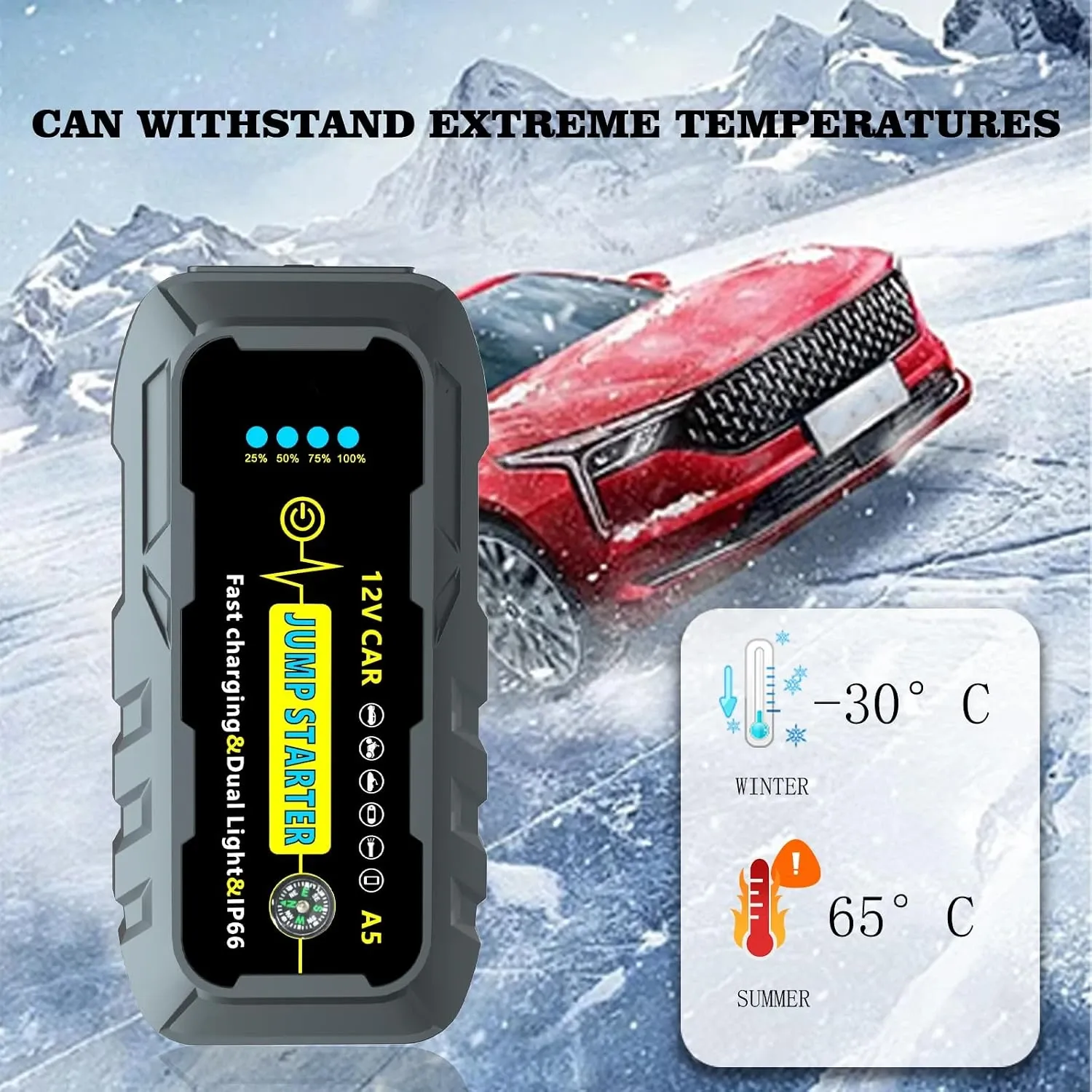
- For immediate roadside emergencies, a jump starter is more suitable than a mains charger.
What is a 12V lead acid battery?
Before buying a battery charger for 12V lead acid batteries, it helps to understand what you are charging. Lead-acid batteries have been widely used in cars and vans for decades because they are dependable and can deliver the high surge current needed to start an engine.
However, not every 12V lead-acid battery is exactly the same. Therefore, choosing the right charger starts with identifying your battery type.
What are the main types of 12V lead acid batteries?
- Flooded (wet cell): The most common traditional type. These contain liquid electrolyte made from sulphuric acid and water. During charging, they need suitable ventilation.
- AGM (Absorbent Glass Mat): Often fitted to newer UK vehicles with start-stop technology. The electrolyte is held in fibreglass mats, so the design is spill-resistant and vibration-resistant.
- Gel cell: These use silica to turn the electrolyte into a gel. They are useful in some deep-cycle applications but are more sensitive to incorrect charging voltages.
Why do you need a dedicated battery charger for 12V lead acid batteries?
You need a dedicated charger because lead-acid batteries require controlled charging voltages and current levels. Using an unsuitable charger can shorten battery life or damage the battery altogether.
When a lead-acid battery discharges, lead sulphate forms on the plates. If it stays discharged for too long, that sulphate hardens into crystals in a process called sulphation. As a result, the battery becomes harder to recharge and may lose capacity permanently. A quality smart charger can help by using controlled charging stages and, in some models, a desulphation mode.
Based on our testing of consumer chargers used on lightly discharged car batteries in UK winter conditions, chargers with automatic recovery and maintenance modes tend to be more forgiving than basic manual units. For a deeper look at useful features, read our comprehensive 12V Lead Acid Battery Charger Explained: A UK Buyer's Guide.
What is the best type of battery charger for 12V lead acid batteries?
For most drivers in the UK, a smart charger is usually the best option. Although basic trickle chargers are still available, they do not offer the same level of protection or convenience.
Are trickle chargers good for 12V lead acid batteries?
A traditional trickle charger supplies a constant low-amperage charge. While they can be inexpensive, they do not actively monitor state of charge in the same way as modern intelligent chargers. Consequently, if left connected too long, they may overcharge some batteries, boil off electrolyte and increase wear.
Why are smart chargers better for most UK motorists?
A smart battery charger for 12V lead acid batteries uses electronics or microprocessors to adjust charge delivery automatically. This makes them better suited to regular home use.
- Bulk phase: Delivers higher current to recharge the battery quickly up to roughly 80%.
- Absorption phase: Holds voltage steady while reducing current so the final part of charging happens safely.
- Float or maintenance phase: Maintains charge at a safe level to offset natural self-discharge.
As a result, the battery can be recharged more safely and then maintained without constant supervision. According to common UK workshop practice and manufacturer guidance, this makes smart chargers particularly suitable for seasonal vehicles, second cars and vehicles used mainly for short journeys.
How do you safely charge a 12V lead acid battery?
Charging safely matters just as much as choosing the right equipment. According to standard UK safety guidance for vehicle maintenance, you should work in a well-ventilated area and keep sparks or flames away from the battery at all times.
How do you connect a battery charger correctly?
- Prepare first: Switch off the vehicle fully and remove the keys from the ignition. Then check that the area is ventilated.
- Connect positive first: Attach the red positive clip to the positive terminal on the battery.
- Connect negative safely: Attach the black negative clip to an appropriate earth point or bare metal part of the chassis where recommended by your vehicle manufacturer.
- Power on afterwards: Only plug in and switch on the mains charger once all connections are secure.
- Select the correct mode: If your unit offers settings such as standard, AGM or winter mode, choose the one that matches your battery type.
"Connecting the negative terminal to an appropriate chassis earth point rather than directly to the battery post can reduce spark risk near gases released during charging." — Based on standard automotive safety practice.
If you are also maintaining smaller vehicles, many of these steps remain similar but usually require lower charging amperage. You can learn more in our guide on How To Charge A Motorcycle Battery With A Charger.
Can a battery charger start a car with a flat battery?
.No—at least not immediately in most cases. A mains battery charger for 12V lead acid batteries is designed to recharge over time rather than deliver an instant high-current burst like jump leads or an emergency jump starter.
.What is the difference between charging and jump starting?
.A charger gradually restores energy back into the battery over several hours.. By contrast,, jump starting delivers enough current straight away enough current straight awayubg equivalent? Let's fix bad punctuation. Need output valid HTML only. Let's craft this section cleanly.
Ready to secure your journey with SmartCharg?
Get Roadside Ready — £59.99