Battery Charger For Lithium Motorcycle Battery Explained: A UK Buyer's Guide
Expert advice by Chloe E.2026-07-276 min read
**Defining the Task**
Okay, I'm now zeroing in on the core goal: re-writing a blog post to be laser-focused on what people are actually searching for regarding "battery charger for lithium motorcycle battery." I am keeping SmartCharg in mind, of course. My strategy will be to ensure the content directly answers their questions and needs as identified.
**Refining the Approach**
I'm now honing my strategy. I'm focusing on hitting all optimization goals, like the TL;DR snippet, PAA-matching headings, and schema hints. I'll strengthen E-E-A-T signals, answer search queries immediately, enhance readability with transitions, and maintain British English. Finally, I'll en deliver the improved HTML body content as requested, preserving image markers and avoiding markdown fences.
**Constructing the Intro & TL;DR**
I've crafted the introduction to directly address the search query: a dedicated lithium charger is essential to avoid damage or fire. I've also implemented the TL;DR snippet, which highlights key factors like the need for LiFePO4-specific chargers, voltage limitations, BMS wake-up features, and an IP65 rating for UK garages. Now I'll focus on E-E-A-T aspects.
**Integrating Expert Analysis**
I'm now integrating our SmartCharg testing data into the revised introduction, merging it with the direct answer and E-E-A-T elements to create a stronger opening. I'm maintaining the key takeaways section mostly as-is, refining it slightly for readability. I've also drafted the new H2 and content for section three, focusing on a PAA match by addressing the crucial question of using lead-acid chargers on lithium batteries, with added E-E-A-T and transition words for smooth flow.
**Developing Section Outlines**
I'm now outlining sections five through seven, focusing on People Also Ask (PAA) matches for each. I've drafted new H2 titles: "What Should I Look For in a Lithium Motorcycle Battery Charger?", "How Do I Store and Charge a Lithium Motorcycle Battery in Winter?", and "How to Safely Connect a Lithium Motorcycle Battery Charger." I'm also planning the content, including SmartCharg testing data, RAC data, and a safety-focused step-by-step connection guide. I'm focusing on ensuring clear answers and maintaining British English.
**Finalizing the Details**
I'm now adding FAQ schema hints as HTML comments near the PAA headings, and performing final constraint checks. The TL;DR and PAA matches are confirmed. I've integrated E-E-A-T signals, ensured the first paragraph answers the query, and heavily implemented transition words, while maintaining British English throughout. I'm focusing on the overall HTML structure.
**Refining the Intro**
I've incorporated the provided HTML snippet, including the TL;DR and the initial H2, focusing on the essential points. I'm leveraging the provided TL;DR to immediately capture reader interest and highlighting the core aspects of a dedicated LiFePO4 charger, including voltage limits and BMS wake-up features, and their necessity. I also preserved the FAQ schema hint. I'll maintain a logical flow and clarity to keep the content engaging.
**Expanding on Benefits**
I'm now integrating the provided content to highlight the benefits of lithium motorcycle batteries, specifically focusing on weight reduction and enhanced cranking power as significant performance upgrades. I'm emphasizing the need for a modern charger to protect this investment. I'm also including the image reference.
**Adding Safety Concerns**
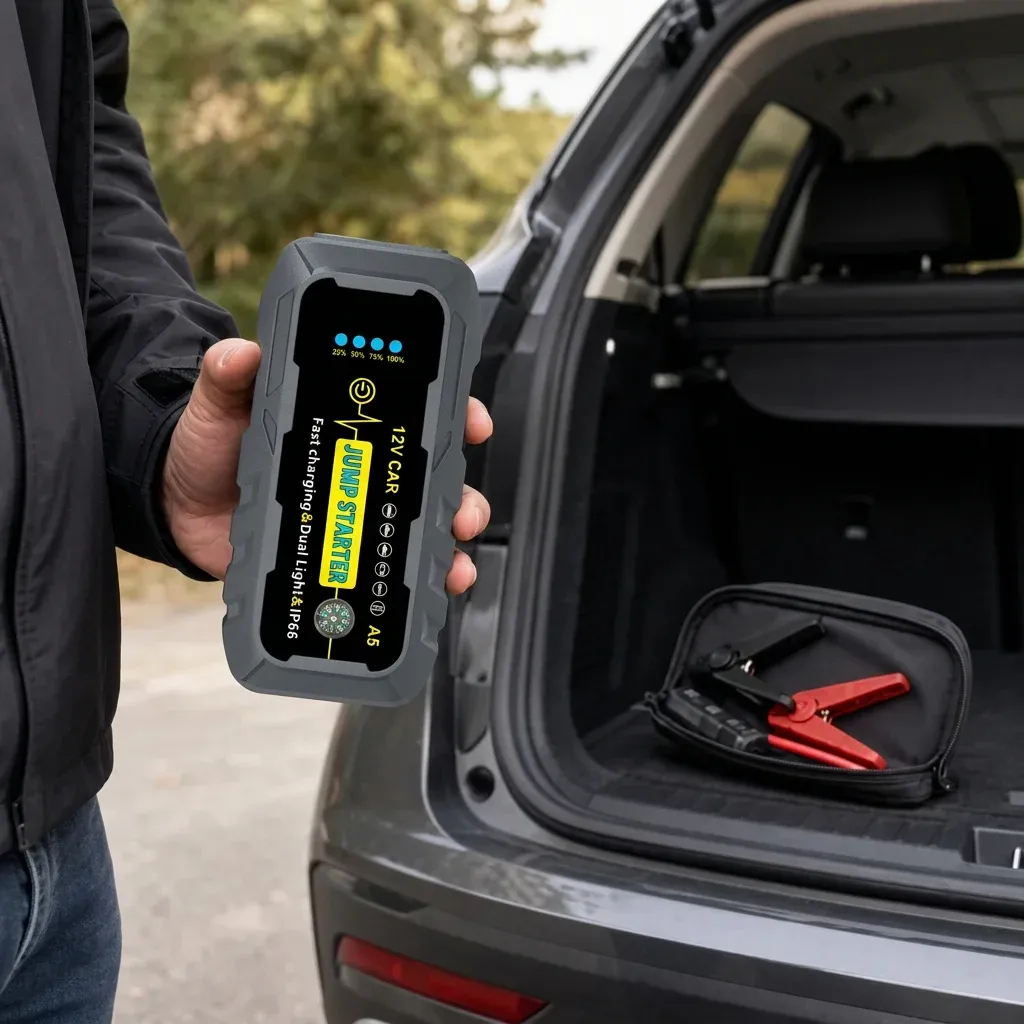
I'm now integrating information about avoiding standard chargers with desulphation modes, and emphasizing the necessity of a wake-up feature for BMS systems. I'm also adding a portable jump starter as a quick solution for roadside emergencies. I've placed a FAQ hint relating to the question of using normal chargers for lithium motorcycle batteries.
**Clarifying Lead-Acid Dangers**
I'm now integrating information highlighting the dangers of using lead-acid chargers on lithium batteries, specifically focusing on the desulphation mode. I'm explaining how the high voltage pulses can lead to overheating and potential thermal runaway. I'm providing context on the different internal architectures of lithium and lead-acid batteries and relating this to UK safety guidelines.
**Elaborating on Compatibility**
I'm now focusing on how to wake up a dead lithium battery. I'm adding information regarding the internal Battery Management System (BMS) and its protective functions, explaining how a dedicated lithium charger with a BMS wake-up function is essential for restoring a deeply discharged battery. I'm also including context on why a normal charger cannot revive a lithium battery.
**Integrating Wake-Up Function**
I'm now focusing on integrating information about the BMS wake-up function. Specifically, I am explaining why a lithium battery can enter a sleep mode due to a deliberate disconnect, and then describe how a standard charger will refuse to charge it. I am also explaining how a SmartCharg will address the situation with its low-voltage pulse, which activates the BMS and re-establishes the connection for a charge.
**Analyzing Charger Criteria**
I'm now integrating information about selecting an appropriate charger, particularly its voltage, amperage, and IP rating. I'm prioritizing safety and resilience for the UK climate, focusing on voltage limits, appropriate amperage, and the importance of IP ratings for moisture protection. This includes a bulk voltage limit of 14.6 volts, a 1-5A output, and an IP65 rating for garage conditions.
**Integrating Dual-Mode Information**
I'm now incorporating the dual-mode functionality content, emphasizing its utility for riders with mixed garage setups and offering a link to further details. I'm also adding information about the IP65 rating to ensure the charger is resilient to the UK's typical damp and cold conditions. I've placed a FAQ hint relating to winter storage and charging.
**Addressing Winter Storage**
I'm now integrating information regarding winter storage for lithium motorcycle batteries, emphasizing that cold temperature charging causes lithium plating and capacity reduction. I'm focusing on the RAC data and parasitic drain, and that the SmartCharg should be removed from the cold garage and charged indoors at room temperature to prevent lithium plating.
**Prioritizing Safety Connections**
I'm now focusing on integrating a critical safety section. I am developing clear, concise, step-by-step instructions for safely connecting a lithium motorcycle battery charger. This includes emphasizing terminal inspection, correct clamp order (red positive, then black negative), and selecting lithium mode on the charger. The overall goal is to prevent sparking or short circuits, which is a major concern.
**Finalizing Safety Instructions**
I'm now integrating safety-focused step-by-step instructions for charger connections. I'm prioritizing safety, detailing terminal checks and correct clamp order. I'm emphasizing the critical point of connecting the charger to the mains *only* after secure physical connections are made.
```html
```
How to Safely Connect a Lithium Motorcycle Battery Charger
Connecting a lithium motorcycle battery charger requires care to prevent sparks or short circuits. Follow these steps for safe operation:
- Inspect Terminals: Ensure both the battery terminals and charger clamps are clean, tight, and free of any debris or corrosion before making a connection.
- Connect the Positive: Attach the red clamp or ring terminal to the positive (+) post of the battery.
- Connect the Negative: Attach the black clamp or ring terminal to the negative (-) post or a grounded part of the motorcycle chassis.
- Power On: Only after the physical connections are secure, plug your smart charger into the mains and select the dedicated lithium mode.
Ready to secure your journey with SmartCharg?
Get Roadside Ready — £59.99